
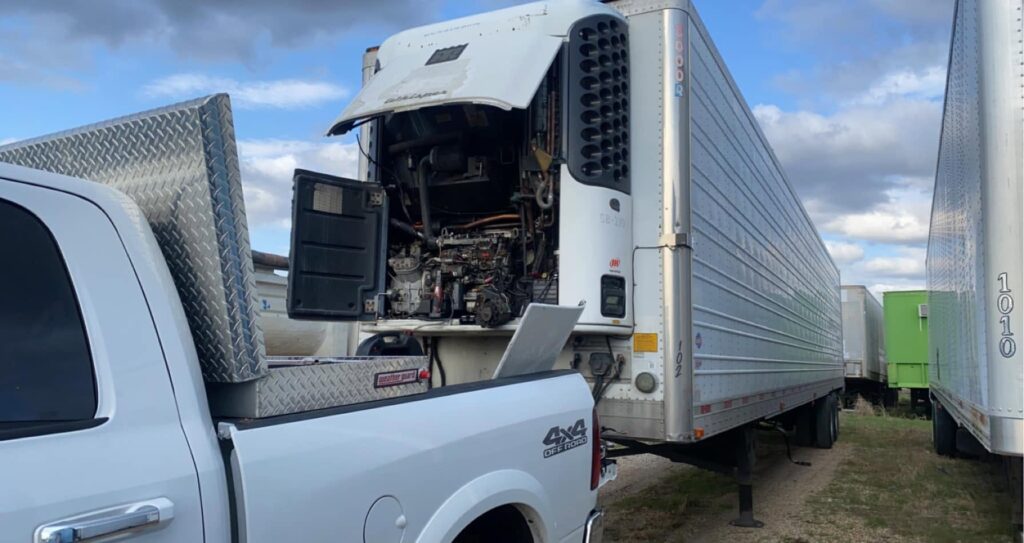
Yes, and it usually shows up on the fuel receipt within a month. A unit low on refrigerant runs longer to reach the same setpoint, and longer hours just burn more diesel. Our team at Texas Reefer Solutions runs reefer service in Dallas, TX, on Thermo King and Carrier Transicold equipment. The fuel gain nearly always traces back to a short list of faults, honestly.
Our trucks carry parts for both brands, so a fault found during a visit gets fixed in that same visit. Before your next service, try setting the unit’s running hours beside your reefer fuel spend, since that ratio tells you more about efficient reefer service than the pump price ever will.
How Much Diesel Does a Reefer Unit Burn in a Day?
The refrigeration unit burns fuel on its own schedule, separate from the tractor. That’s part of why the cost hides so well. Industry figures commonly put a working unit between half a gallon and a gallon and a half per running hour. Older equipment holding a frozen setpoint through a Texas afternoon sits right at the top of that range.
Four things move the number. Unit age, setpoint, ambient temperature, and how often the doors open. Dallas pushes all four the wrong way for about five months of the year. A trailer parked on hot asphalt gains heat through the floor as well as the roof, so it cycles more often than it would in a cooler market.
Across a week of local delivery work, the gap between a healthy unit and a tired one turns into real money, and it’s easy to miss until you add it up. That same heat stress is behind most summer failures too. In fact, reefer unit failures in extreme heat usually trace back to this same strain on the system.
What Makes a Reefer Unit Burn More Fuel Than It Should?
The unit can’t work harder the way a truck engine does. It removes a fixed amount of heat per cycle, then keeps cycling until the box reaches setpoint. Anything that slows heat removal extends run time, and run time is really the only thing that spends fuel. A fault the driver never even feels can still land in the fuel column.
Four faults account for most of the waste we find. A fouled condenser coil can’t shed heat into the air, so cycles run long without the unit ever settling.
A slow refrigerant leak drops capacity gradually, which is worse than a fast one because nobody notices until the fuel burn is already up. Worn door gaskets let warm air into the box, and a badly loaded trailer makes the unit cool the same air twice.
Fuel delivery problems belong on this list too, though they show up differently than the others. A restricted filter or a fouled injector makes the engine run poorly rather than making the refrigeration system work hard. The symptom here is rough running, not temperature drift, and that side of the unit is really a reefer fuel-system job rather than a cooling-side job.
Which Service Items Cut Fuel Use the Most?
Not every line on a service sheet actually moves the fuel number, and that trips a lot of drivers up. Some items are closer to reefer preventative maintenance, protecting the unit from failure without really changing how much diesel it drinks day to day.
Others pay for themselves before the next interval rolls around. Sorting the two out is worth doing before you approve a quote, especially on an older trailer where the list tends to run long.
These are the items that change fuel burn most directly.
- Cleaning the condenser and evaporator coils, which restores the unit’s designed rate of heat transfer
- Leak testing, then restoring refrigerant to the correct charge, since a low charge stretches every cycle
- Replacing worn door gaskets and repairing air chute damage, both of which stop warm air entering the box
- Replacing fuel and air filters on schedule, which keeps the engine burning cleanly under load
- Verifying controller and sensor accuracy, because a sensor reading cold makes the unit overcool the load
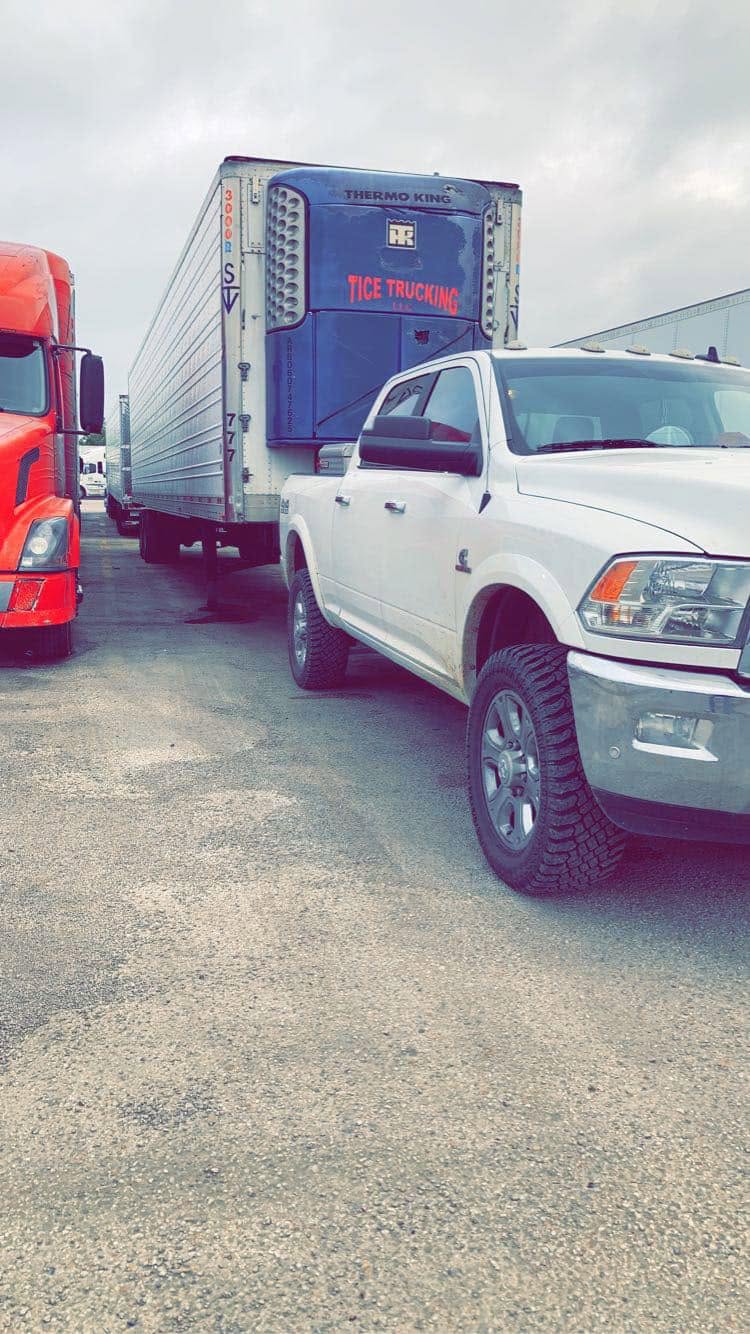
If you just want the short version, watch the first two on that list. Coil condition and refrigerant charge explain most of the fuel difference you’ll see between units of similar age.
Fuel burn climbing with no obvious cause, or just not sure where the drain is coming from? Give us a call at (214) 791-3851, and we’ll come take a look at the trailer before it turns into a bigger repair.
Does Running in Cycle Mode Save Fuel?
Cycle mode shuts the engine down once the box hits the setpoint, then kicks it back on when the temperature drifts a bit. Continuous mode works differently. It just keeps the engine running and modulates cooling instead. Cycle mode wins on fuel in almost every case, honestly, since the engine spends hours switched off, and an engine that’s off doesn’t burn anything.
The catch, of course, is cargo. Chilled produce and dairy tolerate that small swing cycling just fine. Some frozen and pharmaceutical loads do not, though, and a few shippers spell out continuous mode right in writing.
Cold weather shifts the math again too, since a unit cycling near freezing can let a sensitive load drop too low. The saving is real, but the shipper’s temperature spec still decides whether you can actually take it.
How Often Should a Unit Be Serviced to Keep Fuel Use Down?
Most manufacturers set the service interval somewhere between roughly 1,500 and 2,000 operating hours. Hours are what matter here, not truck mileage, which trips people up more than you’d think.
A unit running short-haul Dallas routes builds hours far faster than a long-haul unit cruising at steady highway speed. Two trailers bought the exact same week can end up falling due months apart, which is really why the hour meter beats the calendar.
Units running a full Texas summer earn a shorter interval than the book technically calls for. Coil fouling speeds up fast in dust and heat, and a coil that was spotless in April is rarely still clean by August.
Preventative visits can happen right at the yard or the dock, which helps more than people realize. That way a fleet can stagger its units through a rotation without losing a truck to a shop appointment.
What Can a Driver Check Between Service Visits?
Plenty of the fuel story is visible without tools, you know. Walk the condenser face and look for dust packing, bug strikes, or road film across the fins. A coil that looks grey rather than clean is already costing fuel. Open and close each trailer door, watch the gasket compress, and check whether daylight shows at the corners.
Watch how the unit behaves as well as how it looks. A unit that reaches setpoint and cycles off is healthy. One that runs continuously without ever cycling is telling you something has changed. Note the hour meter at every fuel stop and keep the numbers somewhere you can compare them, since a rising gallons per hour figure is the earliest signal you’ll get.
Frequently Asked Questions
These are the questions drivers and fleet managers bring up most, you know, once the fuel conversation gets going. Each answer stands on its own, so the order doesn’t really matter. If you’ve never had the charge checked, maybe start with the recharge question first.
If the unit was low, yes. A system below its correct charge loses cooling capacity, then runs longer cycles to reach the same setpoint and burns more diesel doing it. Topping up without finding the leak only delays the problem, so a proper recharge starts with leak testing. Charging a system that was already correct changes nothing.
Generally yes, and the gap widens as trailers age. Newer units run more efficient compressors and better controllers. Older trailers also lose insulation performance in the box walls over time. That second factor matters almost as much as the unit itself, since a poorly insulated box gains heat faster and adds work to every cycle.
A coil clean, filter change, leak test, and charge check usually runs one to three hours on site. The range depends on how fouled the coils are and what the leak test turns up. We carry parts for both major brands, so a worn gasket or a failed filter gets replaced during the same visit rather than booked for a return trip.
It affects the engine rather than the refrigeration side. A restricted air filter starves the diesel engine that drives the unit, and combustion suffers, so the engine can run rough under load. The fuel penalty is smaller than a fouled condenser coil, but filters are cheap, and the replacement only takes minutes during a scheduled visit.
Contact Us
Still have questions about getting your reefer unit serviced in Dallas? Here’s how to reach us.
- Phone: (214) 791-3851
- Email: justin@texasreefersolutions.com
We are open 24 hours. Contact us anytime, and we’ll get a technician out to your trailer.
Related Topics: